





























Guides
How Arizona tint limits and Phoenix desert heat set a shop's service menu
Arizona tint limits and Phoenix desert heat decide which films a shop stocks, how long each bay job runs, and what the warranty page has to say.

Rocker panel protection vinyl wrap vs PPF: compare wear, thickness and warranty questions for door edges, with practical guidance for shop quotes.
Compare PPF and vinyl wrap for rocker panels, door edges, and other high-impact zones. US shop quote tips, film choices, and upsell logic for shops.
Plan winter tint and wrap demand with heated-bay prep, realistic cure buffers, overnight staging, and capacity reserved for fleet and event work.
Wrap and tint shop bookkeeping: three collection speeds in one shop, a float you can work out with your own numbers, and the deposit rule that protects it.
Use eight local checks to assess possible wrap and tint shop trends, from fleet mix and quote logs to installer hiring and customer inquiries.
Ceramic window tint vs regular tint decides how a US shop stocks film. Compare heat rejection, cost per roll and what customers in Arizona and Texas will pay.
A failed tint inspection in Alberta rarely requires a full redo. Learn which glazing must pass, what to submit, and how to fix only the non-compliant panes.
Fleet wrap contract pricing multi-vehicle discounts usually land between $2,400 and $3,600 per vehicle at 10 units, with the discount built into labor, not film.
A wrap and tint shop referral program can turn handovers and callbacks into repeatable referrals, with practical tracking and incentive guidance.
Ontario tint law shop liability turns on section 73(3) of the Highway Traffic Act. What it bars, who gets the ticket, and what a shop should keep on file.
PPF vs vinyl wrap high-impact areas: how a US shop quotes rockers, bumpers, mirrors. See the criteria table, cost spread and where each film wins.
How to respond to a negative tint review without admitting fault in the US. Learn neutral wording, documentation order, and review platform risks.
Wrap and tint shop staff training uses observed sign-off: ask consistent safety, paint, glass, post-heat, removal, and handover questions, then record results.
Wrap shop warranty card: avoid chargebacks with signed terms, itemized invoices, dated photos, and claim records that document customer disputes.
A wrap and tint shop quality inspection protocol: the order to look in, the light to look under, and the defects that only appear weeks after collection.
Arizona tint limits and Phoenix desert heat decide which films a shop stocks, how long each bay job runs, and what the warranty page has to say.
California tint law sets film darkness by window position, and Los Angeles shops document exemptions, meter readings, and waivers before film goes on.
Schedule C categories, sales tax on film and labor, and SBA loan proceeds decide whether a wrap and tint shop keeps the cash it earns, one job at a time.
IWFA certification and ANSI film standards give wrap and tint shops the compliance paperwork that fleet and dealership buyers ask for at bid time.
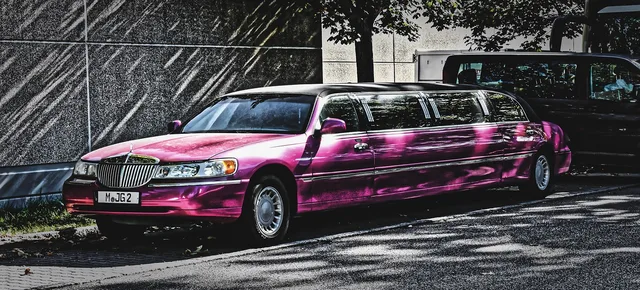
Las Vegas limo and rideshare fleets schedule wrap and tint work around Nevada sun, using NRS 484D.440 tint law limits and bay calendars built for desert heat.
Vehicle wrap tinting in Miami: Florida tint limits by window, how to record tint readings, exemption paperwork, installer labels, product claims, quotes and job handoffs.
NYC commercial vehicle wraps must keep FMCSA door markings legible and TLC decals visible, and tint work needs a DMV-ready record. The shop workflow.
Seattle tint demand follows Washington RCW 46.37.430 reflectivity limits, EV glass area, and wet-climate film choices that hold their edges.
A Texas shop guide to tint law, Houston humidity, Dallas Fort Worth fleet and dealership wrap work, FMCSA marking, scheduling and bay setup in Texas.
Vehicle wrap tinting for fleet accounts: plan buying calendars, confirm contract and payment terms, cap bay capacity, and keep unit-level records.
A wrap and tint shop quote template, line by line, with three worked examples showing how scope, removal and fleet volume change the structure, not the price.
A wrap and tint shop equipment review naming plotters, printers, heat tools and film lines, with what each does well and where each falls short.
Seventeen wrap and tint shop service packages, each with the bay block it needs, the skill it demands, and the sentence that has to appear in the quote.
Wrap and tint shop startup costs line by line, with illustrative figures, the hidden items owners miss, and the arithmetic that shows what you actually need.
Best markets for a wrap and tint shop, scored with a worksheet you fill in yourself: seven factors, how to find each locally, and how to weight them.
Wrap and tint shop KPIs worth tracking monthly, each with its formula, the data it comes from, and the specific decision it is allowed to change.
Use this wrap and tint shop local SEO checklist for Google Business Profile, citations, service pages, photos, reviews, and accurate tint-law information.
Wrap and tint shop employee pay: build the loaded hourly cost, weigh four pay models, and cover the federal and state obligations that come with them.
A daily SOP checklist for a wrap and tint shop: opening the bay, the pre-application gate, handover between people, and closing down safely.
A public-evidence method for assessing wrap and tint shops: review photographs, published claims, operating details, and references before contacting a shop.
This page lists named wrap and tint shop software candidates and gives a twelve-point trial protocol to run against any option using your own real jobs.
A paid bench test reveals how a wrap and tint shop hire preps panels, finishes edges, handles customer vehicles and mistakes before you hand over a bay.
How to package wrap and tint shop services: a six-test protocol every package must pass before it goes on a price list, and the scope language that ends disputes.
Wrap and tint shop pricing and profit start from one number: your occupied bay hour. Name the five hour components, set difficulty D, then test on a real job.
Wrap and tint shop scheduling starts with bay ownership, parallel-work rules, pre-arrival checks, release holds, and a written fleet schedule.
How to start a wrap and tint shop in five gated stages: prove your installs, name your state film law, fit the bay, price one bay, then hire behind demand.
Win more wrap and tint shop customers by auditing the inquiry: nine checks on how a lead reaches you, what happens next, and where quotes quietly go cold.
Evaluate profitable wrap and tint shop services with contribution per bay hour, five service patterns, and job-level records for prep, rework, and bay time.
New versus used wrap and tint shop equipment, compared by cost per usable hour, with the items worth buying secondhand and the ones to refuse.
Wrap and tint shop license requirements are a set of registrations, not one license. Here is what triggers each one and the order to ask about them.
A buying order for wrap and tint shop equipment, with named machines, what each does for bay hours, and when owning a plotter beats buying in.
A zone by zone equipment checklist for wrap and tint shops, covering the application bay, glass, film lot control, safety, and what is safe to defer.
Wrap and tint shop expansion: four ways to grow compared, what must be true before you add capacity, and what breaks first when a shop gets bigger.
A practical guide to wrap and tint shop hiring, covering installer skills, paid bench tests, training gates, pay models, and first-hire obligations.
Wrap and tint shop insurance mapped by failure mode: which policy answers which loss, where the gaps sit, and what to ask a broker before binding cover.
Wrap and tint shop marketing sorted by buyer: what wins retail tint, color change, fleet, dealer and institutional customers, plus inquiry handling and claims.
A stage by stage wrap and tint shop workflow: the three clocks, four common stalls, six records per vehicle, safety, waste and simple flow measures.
A section-by-section test of a wrap and tint shop plan: what each section must answer, the failure it exists to prevent, plus staffing and cash.
Wrap and tint shop break-even counted in bay hours: the formula, required utilization, a stress test for sick days and rework, and five checks.
Explore wrap and tint shop services across six families, including bay demands, scope, refusal rules, warranties, and menu-costing considerations.
Wrap and tint shop software and KPIs: the records the shop must produce, why one job number ties them together, and the few numbers worth watching.
Wrap and tint shop startup: the four shop shapes, what really eats bay hours, how to read local demand, and which authorities to check first.
Guides
Arizona tint limits and Phoenix desert heat decide which films a shop stocks, how long each bay job runs, and what the warranty page has to say.
Guides
California tint law sets film darkness by window position, and Los Angeles shops document exemptions, meter readings, and waivers before film goes on.
Guides
Schedule C categories, sales tax on film and labor, and SBA loan proceeds decide whether a wrap and tint shop keeps the cash it earns, one job at a time.
Guides
IWFA certification and ANSI film standards give wrap and tint shops the compliance paperwork that fleet and dealership buyers ask for at bid time.
Guides
Las Vegas limo and rideshare fleets schedule wrap and tint work around Nevada sun, using NRS 484D.440 tint law limits and bay calendars built for desert heat.
Guides
Vehicle wrap tinting in Miami: Florida tint limits by window, how to record tint readings, exemption paperwork, installer labels, product claims, quotes and job handoffs.
Guides
Rocker panel protection vinyl wrap vs PPF: compare wear, thickness and warranty questions for door edges, with practical guidance for shop quotes.
Guides
Compare PPF and vinyl wrap for rocker panels, door edges, and other high-impact zones. US shop quote tips, film choices, and upsell logic for shops.
Guides
Plan winter tint and wrap demand with heated-bay prep, realistic cure buffers, overnight staging, and capacity reserved for fleet and event work.
Guides
Wrap and tint shop bookkeeping: three collection speeds in one shop, a float you can work out with your own numbers, and the deposit rule that protects it.