Guides
An honest review of wrap and tint shop equipment
A buying order for wrap and tint shop equipment, with named machines, what each does for bay hours, and when owning a plotter beats buying in.
What to take away
- The bay is the biggest machine you will buy. Heat, light and airflow decide finish quality before any tool does.
- Name the job before you name the machinea Graphtec CE7000 plotter earns its place on repeat cut vinyl, a Roland TrueVIS on booked print work.
- Buy printing from a trade printer until fleet work is booked and repeating, because outgassing and profiles punish guesswork.
- Log every purchase and service date. The same list serves warranty claims and your accountant.
The bay is the machine
New owners shop tools first and rent whatever building is cheap. That order costs money twice.
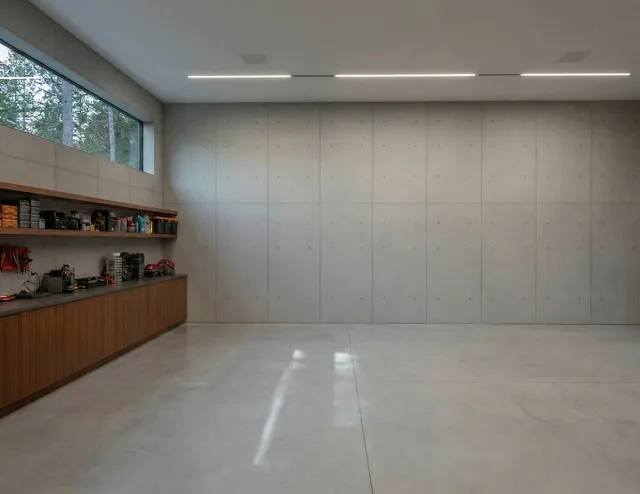
Film conforms within a temperature range the manufacturer publishes. Adhesive grabs whatever is floating in the air. A cold, dusty, dimly lit bay with premium tools turns out worse work than a plain bay with ordinary ones.
Power and air handling are lease questions, not tool questions. Lights and hand tools run on ordinary 120 volt circuits. A wide format printer, a large compressor or a lift needs a dedicated 240 volt circuit sized to the machine.
Solvent vapour and laminate fumes have to leave the bay, so plan an exhaust fan, make-up air and filters on the intake. A common planning target is 6 to 12 air changes an hour, and the chemistry you use sets the real number.
Check the building's supply and exhaust before you sign, because retrofitting either later costs more than the rent difference.
Bay checks before signing
- Hold a stable temperature
- Light panel from two angles
- Air free of grit
- Walk around van with arms out
Heat, light and air, and what they cost
Heat is the first purchase, not the last. A heat gun with variable temperature and a surface thermometer beat a bigger compressor every time. Post-heating stretched film to a measured surface temperature is what stops recesses and edges lifting three weeks later.
Prices below are typical US street bands for new equipment.
Heat, light and air
| Item | Typical price band (new, US) |
|---|---|
| Variable-temperature heat gun | $40 to $180 |
| Infrared surface thermometer | $25 to $120 |
| Raking LED work light | $60 to $300 per fixture |
| Exhaust fan, ducting and filters | $200 to $900 |
Those are planning bands, not quotes. Brand, wattage and local supply move them by a wide margin.
Light comes second. Raking light across a panel shows contamination under film and a lifted edge while the customer is still in the lobby. Fixed overhead fixtures alone hide exactly those defects.
Air comes third. No sanding, grinding or abrasive cutting in the same room as application. Keep the floor damp or swept, filter what you can, and keep doors shut during a lay-down. A bay sharing a wall with bodywork has a quality problem no tool fixes.
Hand tools, bought twice
Two installers sharing one set of squeegees spend their day passing tools. Buy duplicate sets before anything impressive.
- Squeegees with replaceable felt edges, in more than one profile. The gold and black card and a soft-edge wrap squeegee cover most panels.
- Heat guns with adjustable output, plus an infrared surface thermometer so post-heat is measured rather than guessed.
- Knifeless tape for cutting on the vehicle without a blade touching paint.
- Trim tools and a socket and driver set, because pulling handles, mirrors, badges and lights beats cutting around them.
- Spray bottles, application fluid, lint-free cloths and the solvent wipe regime your film maker accepts.
- Magnets and panel grippers for holding large sections while you work alone.
Cutting: when a plotter pays for itself
A plotter is the first machine that changes what work you can sell. It cuts lettering, stripes and repeat graphics from a roll instead of from a steady hand.
What it does
- Graphtec CE7000 series
- Roll-fed vinyl cutter, 15 to 54 inch widths, contour cutting with registration marks
- Roland DG CAMM-1 GS-24
- 24 inch desktop cutter for smaller runs
- Silhouette Cameo 4
- Desktop craft cutter, small widths
- Summa S One
- Flatbed and roll cutting for thicker media
- Cricut Maker
- Hobby-class desktop cutter
Who it suits
- Graphtec CE7000 series
- Shops selling lettering, decals and fleet door kits
- Roland DG CAMM-1 GS-24
- Single-bay shops adding cut vinyl
- Silhouette Cameo 4
- Very small jobs, samples, no production volume
- Summa S One
- Shops cutting paint protection film patterns
- Cricut Maker
- Proofs and signage mock-ups only
Pricing model
- Graphtec CE7000 series
- One-time purchase, blades and cutting strips consumable
- Roland DG CAMM-1 GS-24
- One-time purchase
- Silhouette Cameo 4
- One-time purchase
- Summa S One
- One-time purchase, service contract optional
- Cricut Maker
- One-time purchase
Typical price band (new, US)
- Graphtec CE7000 series
- $1,300 to $3,500 by width
- Roland DG CAMM-1 GS-24
- $1,800 to $2,600
- Silhouette Cameo 4
- $200 to $400
- Summa S One
- $4,000 to $12,000 by size
- Cricut Maker
- $250 to $400
Owning a plotter adds software, blade and pressure calibration, and a cutting strip that wears out. Buy it when repeat shapes are a steady line, not a one-off.
Running costs for a cutter stay small. Blades and cutting strips typically run $50 to $250 a year at light volume, and a worn cutting strip is behind most ragged cuts.
Printing: the machine most shops should not own yet
A wide format printer is the largest commitment on this list. It needs a colour-managed room, media profiles per vinyl, and time for ink to gas out before lamination. Get it wrong and the fifth van in a fleet will not match the first.
What it does
- Roland DG TrueVIS series
- Eco-solvent print and cut, up to 64 inch
- Mimaki JV300 Plus
- Eco-solvent roll printer
- HP Latex 700 and 800 series
- Water-based latex printing, no outgassing wait
- Epson SureColor S series
- Eco-solvent roll printer
- Mutoh ValueJet series
- Eco-solvent roll printer
Who it suits
- Roland DG TrueVIS series
- Shops with booked fleet and commercial graphics
- Mimaki JV300 Plus
- Print-heavy shops running daily
- HP Latex 700 and 800 series
- Shops wanting same-day laminate
- Epson SureColor S series
- Shops needing tight colour repeatability
- Mutoh ValueJet series
- Mid-volume commercial work
Pricing model
- Roland DG TrueVIS series
- Purchase plus ink, media and service contract
- Mimaki JV300 Plus
- Purchase plus ink and maintenance
- HP Latex 700 and 800 series
- Purchase plus printheads as consumables
- Epson SureColor S series
- Purchase plus ink
- Mutoh ValueJet series
- Purchase plus ink
Typical price band (new, US)
- Roland DG TrueVIS series
- $15,000 to $25,000 by width
- Mimaki JV300 Plus
- $12,000 to $20,000
- HP Latex 700 and 800 series
- $20,000 to $45,000 by model
- Epson SureColor S series
- $15,000 to $30,000
- Mutoh ValueJet series
- $12,000 to $25,000
Consumable budgets dwarf the purchase price. A busy 54 to 64 inch eco-solvent printer typically uses $400 to $1,200 of ink and media a month, and printheads or a service contract add more. Bands move with dealer options and promotions, so confirm with a dealer before you budget.
Until booked work justifies one, buy from a trade printer. Insist every panel for one fleet comes off one run, on one media batch, laminated the same day.
Laminating and design: buy in until volume says otherwise
Laminating is a second pass over the same panel, and a second chance for a speck of dust to ruin it. Own a laminator when you print in house and the volume keeps it fed. Otherwise buy laminated prints from the same trade printer that runs your ink.
Design is the cheapest capability to buy in and the most expensive to get wrong. Production art needs correct bleed, cut paths and colour builds. A freelance production artist on a per-job rate costs less than a bad proof cycle on a fleet.
The services and packages guide sets out which of these capabilities your menu actually needs before you buy any of them.
Glass work needs its own kit
Tint and wrap overlap less than the shared name suggests. Glass wants a clean, uncluttered area where a full sheet can be laid out and shrunk without touching the floor.
- A controllable heat source for shrinking film to curved rear glass.
- Hard cards and edge tools that will not scratch glass, and a firm rule that razors touch glass only.
- Somewhere for the vehicle to sit undisturbed through cure time. Releasing a car early is the most common tint complaint there is.
- Film storage away from sunlight and dust, so VLT and IR rejection stay what the spec sheet says.
Keep this area away from anything that sheds fibre. It is the least forgiving work in the shop.
Safety, waste and the paperwork
Solvents, blades, heat and roof work on vans and box trucks can each pull an installer off the schedule. OSHA's material on safety management programs covers finding and fixing those hazards before an injury or an inspection finds them for you.
Waste film, used solvent, rags and wash water fall under environmental rules. The EPA's automotive sector regulatory information is the entry point to federal and state requirements on solvents, coatings, wastewater and disposal.
Financing and planning for these purchases sit in the SBA business guide. What your local market will ask you to deliver is covered in the startup and market guide.
The order to spend in
- Environment. Heat, light, power and a floor you can keep clean. Everything later depends on it.
- Hand tools. Cheapest line on the list, fastest return in bay hours.
- Measurement. A surface thermometer and raking task lights cost little and prevent bad post-heat and unseen contamination.
- Cutting. A plotter once repeat shapes are steady work, not one-offs.
- Printing and laminating. Last, and only against booked fleet work.
- Design. Buy it per job until in-house volume keeps a production artist busy.
Keeping it working
Equipment failure here rarely stops the shop. It degrades the work quietly.
A heat gun with a failing element, a plotter with a worn blade, a squeegee with a nicked edge, a lamp that no longer sits low enough: each turns out slightly worse work that nobody notices until a customer does.
Keep one record of what you own, what it cost, when it was serviced and its condition. The IRS guidance on the records a business should keep already requires documents supporting purchases and assets, so the same list does both jobs.
Common questions
How much space does a wrap bay need?
Plan on a bay about 24 ft long, 14 ft wide and 12 ft high, which is roughly 336 sq ft and fits sedans, SUVs and most pickups with room to walk around them. Keep another 2 to 4 ft of length at the rear for a full film panel and open doors.
For vans and box trucks, treat 30 ft by 16 ft by 14 ft, about 480 sq ft, as a working minimum, with a door tall enough to clear the vehicle.
Can I run tint and wrap in the same bay?
Yes, and most shops do at first. The constraint is time rather than space, because a multi-day wrap in one bay blocks the short glass work that pays the weekly bills. Sequence the calendar deliberately instead of by whoever booked first.
Do I need a lift?
For most wrap and tint work, no. It helps on lower panels, sills and full paint protection coverage, and it changes the bay's height and floor loading needs. Treat it as a later purchase driven by the work you actually take.
Which equipment do new shops regret buying?
Printers bought before the printed work existed, and deep film stock held to offer customers choice. Both tie up money that would have done more good spent on the bay itself.